
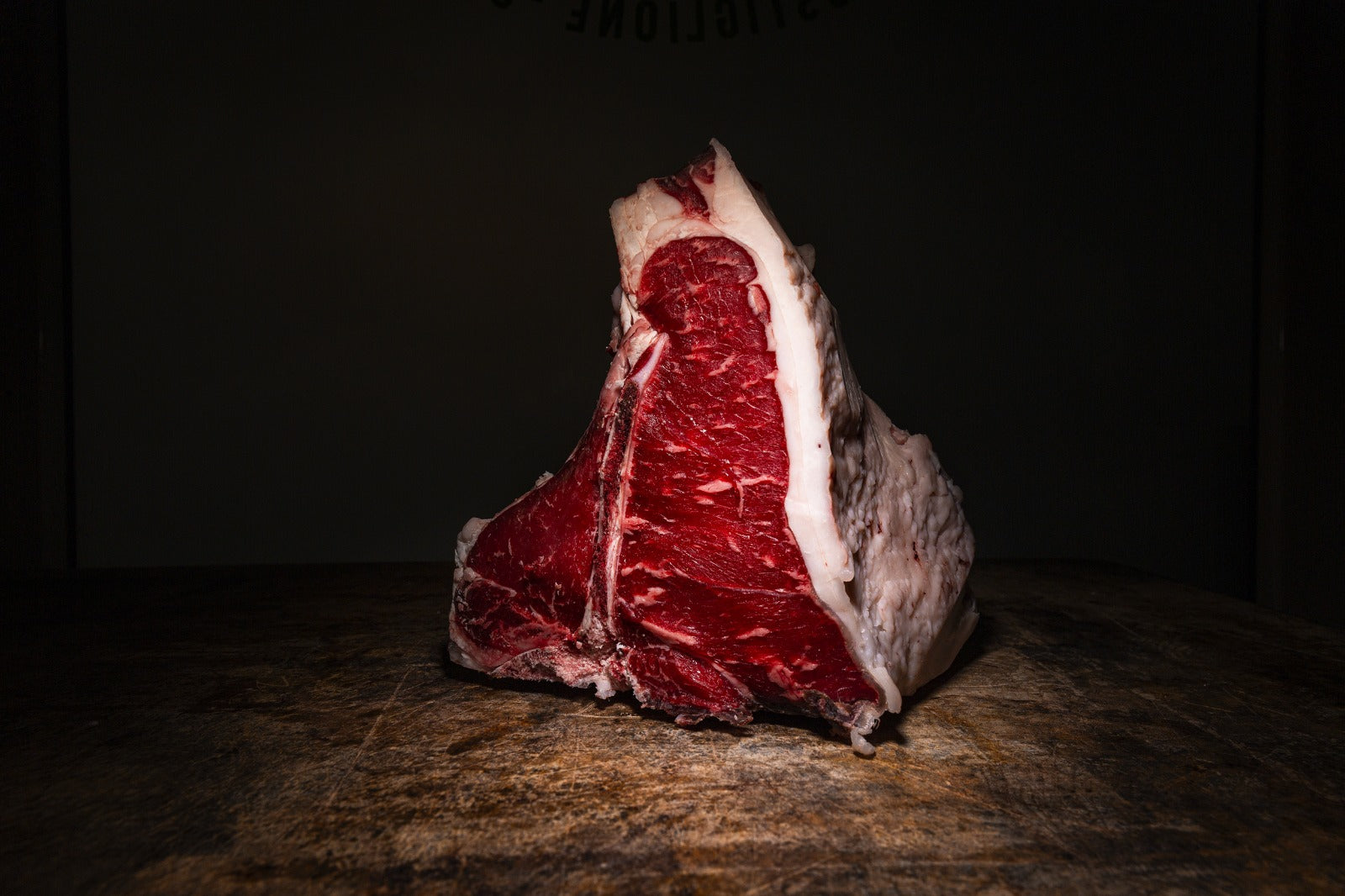
How good is buffalo meat?
Everything you didn't know about one of Campania's oldest dishes
It has very low cholesterol levels and remains tender even when cut.
Rosy and succulent, until recently its consumption was not particularly widespread, remaining confined to the gastronomic tradition of breeders in Campania, particularly in the Caserta area and the Sele Plain. Indeed, even today, approximately 75% of buffalo raised and over 50% of buffalo farms are located in Campania.
In the 1940s, cooking was often preceded by an overnight marinade of the pieces. Local cuisine used it for stews, therefore for goulash and ragù, as an alternative to grilling. Today, some steps have been lost in the traditional narrative, but its typically wild flavor continues to appeal to an enthusiastic public.
For many years, talking about buffalo only meant mozzarella, milk, creams, yogurts, and cheeses. Now, the meat is also considered an interesting product that is beginning to attract interest far beyond the borders of the Campania region, for many reasons. First and foremost, for its nutritional properties: it is very high in protein, lean, and without intramuscular fat. It also has a high iron content and is an important source of vitamins, including B6 and B12, as well as minerals such as: potassium, zinc, chromium, copper, and magnesium.
At one time, the presence of this animal was linked to field work, especially in marshy areas, an ideal context for buffalo due to its robustness, allowing it to handle the heaviest tasks, for which they were even preferred over oxen. Consequently, buffalo were considered a triple-purpose animal: milk production, meat production, and work animal. Precisely because of their habitat, this species, the "Italian Mediterranean" officially recognized in 2000 by MIPAAF, remained isolated and naturally selected over the centuries. In the current economic landscape, males represent approximately 50% of buffalo, and not utilizing their meat would mean neglecting an economic resource of considerable importance.
In recent years, its rediscovery has been indirectly linked to the process of enhancing the Mediterranean Diet due to its organoleptic qualities, digestibility, and low fat content. Suffice it to say that a 100g buffalo steak contains 35mg of cholesterol and provides 130 Kcal, compared to 280 Kcal for beef, which contains 80mg. And its richness is not surprising. These are animals raised in the wild, free to graze, thus meat derived from healthy and natural growth. All elements that contribute to making buffalo meat an appealing dish, as well as giving it a unique flavor.
Share